



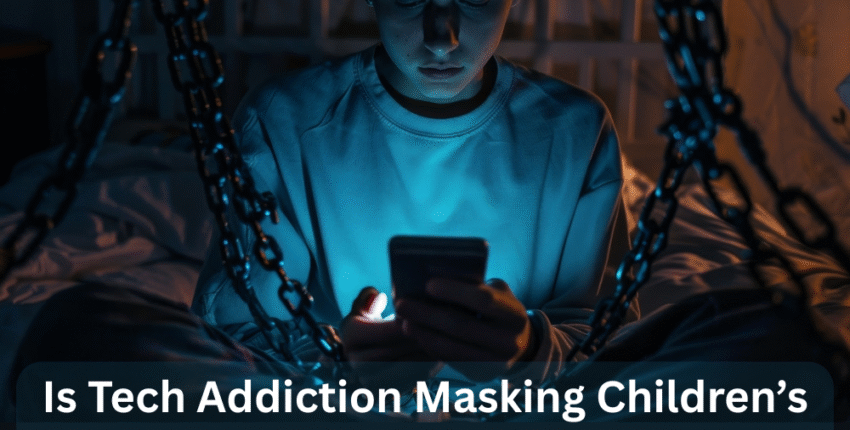
Parents across the UAE, UK, and India are increasingly worried about children spending too much time on screens. While it may look like simple overuse, there’s a deeper question: could what seems like tech addiction in kids actually be a sign of underlying mental health struggles?
This blog explores how technology use, addiction-like behaviors, and children’s mental health connect—and what parents can do to protect their child’s wellbeing.
What Counts as “Tech Addiction”?
Unlike chemical addiction (such as drugs or alcohol), technology addiction is not always easy to define. Many children spend hours online daily for schoolwork, hobbies, and friendships. But screen addiction in children becomes a concern when tech use:
- Replaces sleep, meals, or exercise.
- Causes fights and arguments at home.
- Affects concentration, mood, or schoolwork.
- Becomes the only activity a child looks forward to.
In such cases, it may not just be about devices—it could be a sign of child mental health issues linked with technology.
Social vs. Chemical Addiction: The Distinctions
Social media platforms, games, and apps are designed to keep kids engaged. While they don’t involve chemicals, they trigger the brain’s reward system in a similar way. Likes, notifications, or winning a game can release dopamine—the “feel-good” chemical.
Over time, this can look like addiction. But unlike chemical dependence, technology use may actually be covering up deeper struggles such as anxiety, loneliness, or low self-esteem. Parents need to look beyond the screen to understand what’s really happening.
Tech Use and Mental Health: The Hidden Links
Research shows a strong link between digital addiction in kids and conditions such as anxiety and depression. Some children use screens to escape from stress or sadness. For example:
- A child who feels left out at school may hide in online games.
- A teenager struggling with self-confidence may spend hours on social media for validation.
- A child facing family stress may watch endless videos to block out worries.
In these cases, the screen is not the main problem—it’s a tool masking the real issue.
Recognizing Signs That Tech Use May Mask Deeper Issues
Parents often ask: How do I know if my child’s screen habits are covering up mental health struggles? Look for these kids tech addiction signs:
- Sudden withdrawal from friends or family.
- Strong emotional reactions when asked to stop using devices.
- Constant tiredness due to late-night scrolling or gaming.
- Loss of interest in hobbies, sports, or school.
- Increased irritability, sadness, or mood swings.
If you see these patterns, it may be time to go beyond managing screen time and explore your child’s mental health needs.
Engaging with Children and Mental Health Professionals
The first step is always open conversation. Instead of punishing children for too much screen time, ask them what they enjoy online and how it makes them feel. Sometimes, children will admit they feel stressed, left out, or even bullied online.
If concerns remain, parents can reach out to mental health professionals. Schools in the UAE, UK, and India often have counselors who can guide families. At the same time, combining professional support with Digital Parenting Coaching helps families create healthier home routines.
Monitoring Digital Habits and Interventions
Parents can gently monitor their child’s digital habits without making them feel watched. Simple steps include:
- Reviewing app usage together.
- Setting family screen time rules (see: Daily Screen Time Planner for Children of All Ages).
- Encouraging breaks and outdoor activities.
- Using parental controls to reduce late-night access.
If the problem feels overwhelming, our Online Parenting Consultation service provides personalized support. Parents can learn how to set healthy limits while understanding their child’s deeper needs.
Tools for Maintaining Healthy Digital Routines
Managing screens doesn’t mean banning them. Instead, families can build balance with:
- Family Tech Agreements → Clear, agreed rules about when and how devices are used.
- Offline Hobbies → Sports, music, and creative play reduce over-reliance on screens.
- Educational Apps → Turning screen time into a positive learning experience.
- Digital Detox Days → Choosing one day a week for family activities without devices.
For practical strategies, read our guide: Building Healthy Digital Habits for Families: A Complete Guide. It shares step-by-step ways to create long-term balance.
Cyberbullying and Hidden Stress
Sometimes, screen addiction in children is not about fun but fear. Kids who experience cyberbullying may spend extra time online trying to “fix” their reputation or avoid missing out. Sadly, this can increase anxiety and depression.
Our blog Safe Parenting Guidelines in a Tech-Heavy World explains how parents can guide kids safely online and reduce risks of harmful experiences.
How Digital Bridge Supports Families
At Digital Bridge, we specialize in helping families manage both technology and wellbeing. Our services include:
- Online Parenting Consultation → One-on-one guidance for parents struggling with tech and mental health issues.
- Digital Parenting Coaching → Personalized plans to support children with healthy digital routines.
- School Workshop and Teacher Training → Programs in the UAE that help schools spot early signs of digital stress and guide students effectively.
Whether in Dubai, Abu Dhabi, the UK, or India, our expert-led support helps families reduce stress and rebuild confidence in a digital world.
About Philippa Wraithmell
Philippa Wraithmell, founder of Digital Bridge, is a global leader in digital education. With over 15 years of experience in school leadership, digital teaching, and strategy, she has worked with governments, ministries, and international schools.
Philippa leads UAE-wide research on mobile phone use in schools and is the founder of EdRuption, which supports schools with digital change. As an award-winning author, she brings both expertise and empathy to families facing digital challenges.
Conclusion
What looks like tech addiction in kids may actually be a sign of deeper mental health struggles. By staying alert to kids tech addiction signs, parents can recognize when devices are being used as a mask for stress, anxiety, or depression.
The solution lies in open conversations, professional support, and healthy routines. With the right guidance, families can protect their children’s mental health and teach them to use technology with balance and confidence.
If you’re looking for support, explore our Online Parenting Consultation, Digital Parenting Coaching, or School Workshop and Teacher Training programs. Together, we can create a safer and healthier digital world for children.